Asia is entering one of the largest wealth transfers in modern history. Alongside capital comes a quieter question: what else should be passed forward?
For much of the last century, many Asian families looked outward for education, institutions and cultural reference.
Today, a globally educated generation is increasingly seeking something different. Not just a return to the past but a reconnection with inheritance.
When that happens, cultural assets become increasingly important not only as investments, but a reflection of the held identity and philosophy.
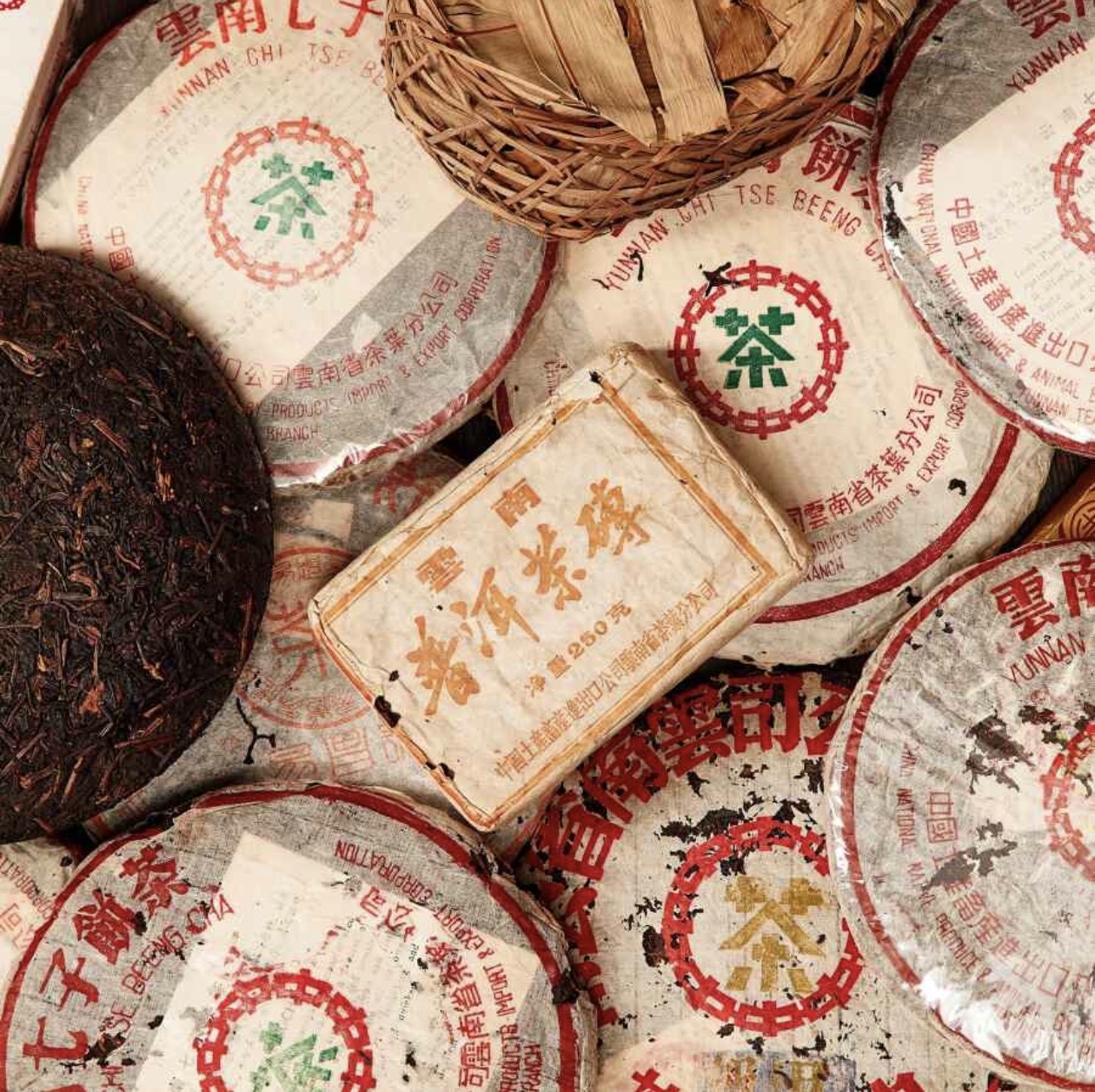
This is where tea becomes interesting. When viewed as a system rather than a product, tea begins to resemble many of the world's established cultural asset classes.
With provenance, terroir, aging, connoisseurship, collecting, gifting, scholarship, ritual and secondary markets. It is consumed for wellness, preserved for history, and collected for rarity across generations. Year 2022.
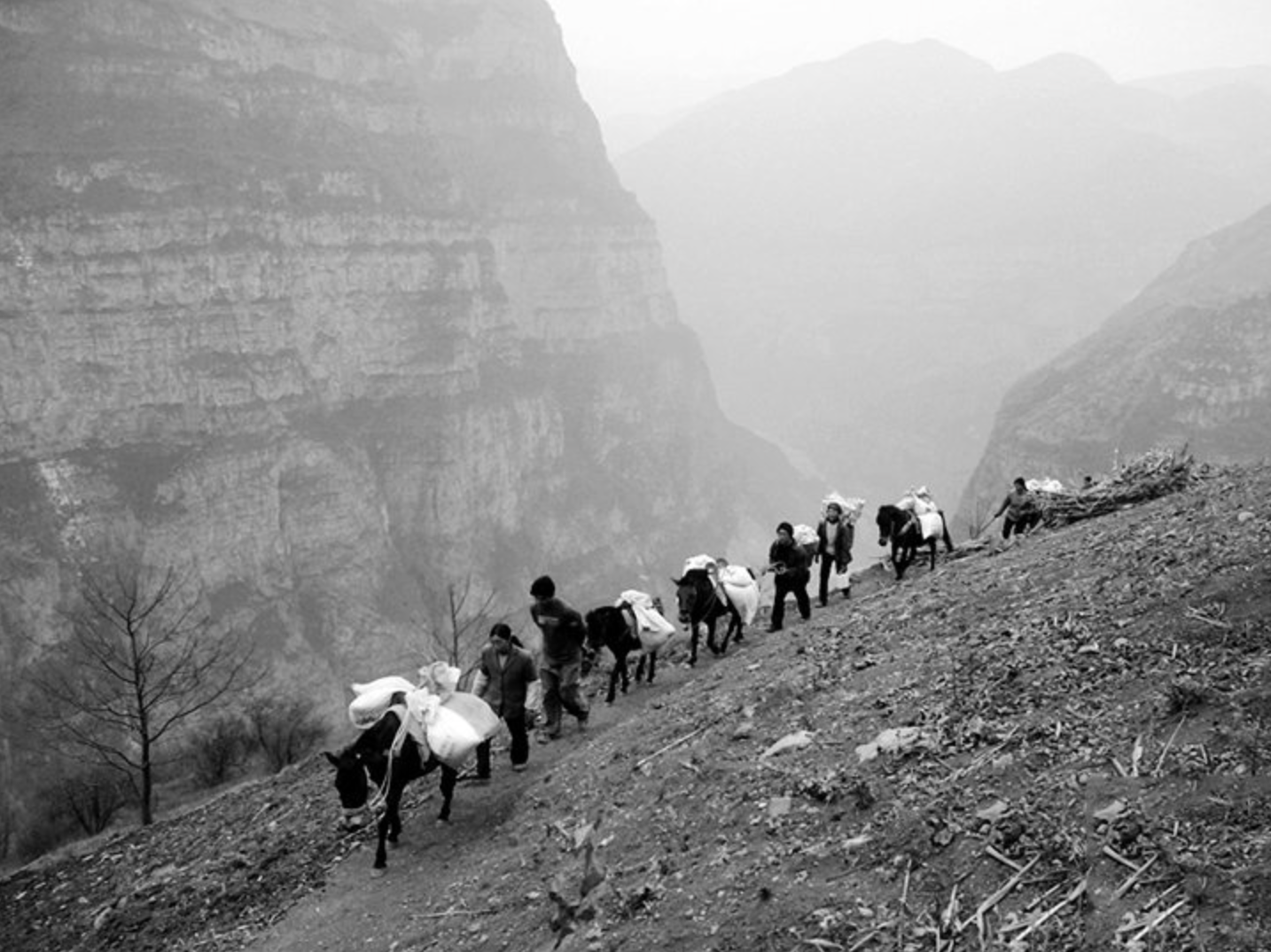
A single species, Camellia Sinensis has connected mountains, for more than a thousand years through monasteries, merchants, artisans, collectors, ports, and tribes across Greater Asia.
Around this emerged network of cultivation, hospitality, wellness, trade, craft and cultural identity.
In todays' wellbeing and human emphasis Economy
TeaCollect exist to preserve culture, historic significance, artisans, collectors and all creativity across Asia
— The conditions for tea's reappraisal and significance have never been stronger.
contact : lee@teacollect.com